
The Ultimate Guide to Link Building Strategies That Actually Work in 2026
I remember my first link-building campaign back in 2020. I spent three weeks cold-emailing site owners, begging for links like I was asking for spare change. My success rate? A dismal 2%. I was convinced link building was either black magic or reserved for people with massive budgets.
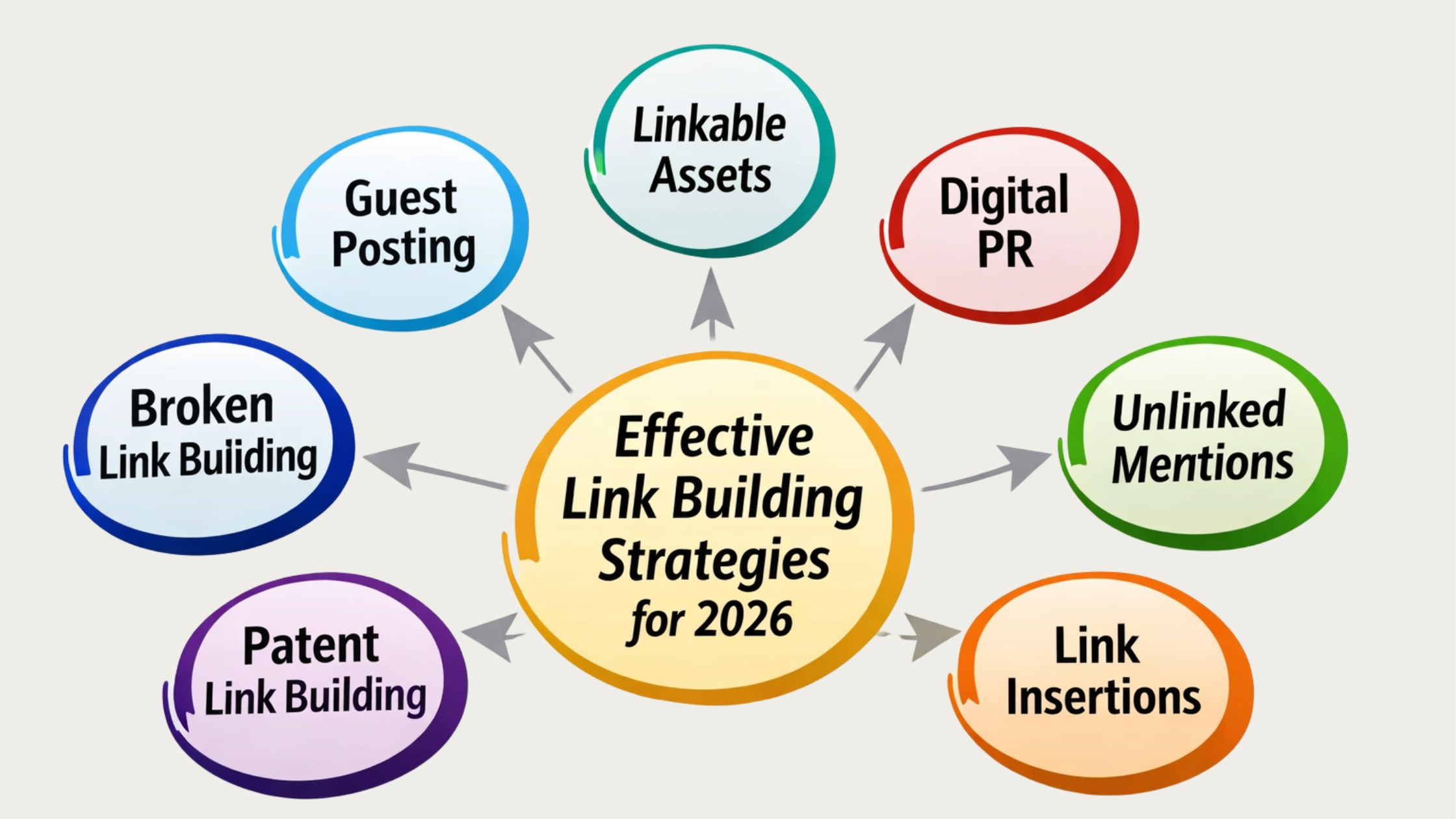
Fast forward five years, and I've built thousands of quality backlinks across multiple industries. The landscape has changed even in that short time, with broken link building, guest blogging, and digital PR having all evolved. But here's the thing: most link-building advice online is either outdated, generic, or written by people who've never actually built links at scale.
This guide is different. Everything here comes from real campaigns I've run. No theory, no recycled content from other sites, just link-building strategies that have generated quality links for my own site and client projects. You'll get actual templates, processes, and real examples that work in 2026.
What You'll Learn in This Guide:
The 9 link-building strategies that actually work in 2026
How to find and qualify high-quality link opportunities in your niche
Proven systems for earning links through guest posting, broken links, and digital PR
How to create linkable assets that attract backlinks naturally over time
The tools, templates, and processes I use to build and maintain a healthy backlink profile
Time Investment: 20-25 minutes to read | Years of link-building knowledge compressed.
Who This Is For: Business owners, content marketing professionals, SEO specialists, and anyone trying to earn links and improve their search engine rankings without paid links or shady tactics
My Experience With Link Building
Why You Should Listen to Me:
I've spent five years in the link-building trenches. Not watching from the sidelines or regurgitating theory. Actually doing the work.
Since 2020, I've built backlink profiles for clients across multiple industries. I've generated thousands of referring domains that are still sending relevant traffic today. I've survived algorithm updates, learned what works (and what doesn't!), and developed a system that consistently delivers quality backlinks.
My Philosophy:
I only use white-hat tactics. No link farms, no link schemes, no shortcuts. I believe in creating things actually worth linking to wherever possible. I like to prioritise building relationships over transactional exchanges, and I measure success by actual business results, not just vanity metrics.
What You'll Get:
No fluff, no recycled content from other sites. Just honest, battle-tested advice on building strategies that work. I'll share my actual processes, templates, and real examples from campaigns I've run.
Some worked brilliantly.
Others flopped.
I'll tell you about both.
Link Building Fundamentals
Understanding Quality Backlinks in 2026
Before we dive into specific link-building strategies, let's talk about what makes a quality link in 2026. Not all links are created equal. I've seen websites get penalised for bad backlinks while others soar with just a handful of quality links from relevant websites.
What Makes a Link "Quality"?
1. Relevance is King
A link from a relevant page in your niche is worth 10x more than a high-authority link from an unrelated site. Search engines have gotten scary good at understanding topical relevance. I look for relevant sites that my target audience actually reads. For an ecommerce site selling hiking gear, a link from a popular outdoor blog post beats one from a tech news site, even with higher domain authority.
2. Domain Authority Matters (But Isn't Everything)
Domain authority and similar scores are helpful indicators. But I've seen links from DA 30 relevant sites drive more traffic than DA 70 irrelevant ones. Focus on the overall quality of other websites. Do they publish quality content? Do they have real website visitors? Would I want my brand associated with them?
3. Editorial Context is Critical
Links placed naturally within relevant content perform best. Footer links, sidebar links, and obvious "link page" links carry less weight. The content around your link should provide context about why you're being linked to. Guest posting works because you're creating that editorial context yourself.
4. Traffic Potential
Does the linking page actually get traffic? A link from a page ranking in search results will send you referral traffic AND help your SEO efforts. I've gotten some of my best links from recent articles that were ranking well and sending actual site visitors.
What I Look For:
When evaluating link opportunities, I ask:
Is this site relevant to my niche?
Would a real person click this link and find value?
Does the site have actual website visitors?
Is the content quality something I'd be proud to be associated with?
If I can't answer "yes" to most of these, I move on. Life's too short for mediocre link opportunities.
The 9 Link Building Strategies That Actually Work
Strategy 1: Guest Posting (The Right Way)
Let me be straight with you: link building isn't the only ranking factor, but it's still one of the most important ones. And despite what some "SEO is dead" folks claim, it's not going anywhere.
Why Links Still Matter:
Search engines use links as "votes" for your content's quality and authority. Links help search engines discover your indexed pages faster. Quality backlinks from reputable websites signal trustworthiness. Links drive referral traffic (which search engines also track). They help establish your site's domain authority over time.
What's Changed in 2026:
Google's algorithms are much better at detecting paid links and manipulation. Relevance matters more than ever. Random links from external sites don't help much. The focus has shifted from quantity to quality (I'd take 10 quality links over 100 mediocre ones). Social media and brand mentions (even unlinked mentions) contribute to your overall authority.
The Healthy Backlink Profile:
A healthy backlink profile in 2026 includes a mix of referring domains with varying domain authority, links from relevant sites in your industry, natural anchor text distribution, both dofollow links and nofollow links, and links from diverse sources like blog posts, news coverage, resource pages, and guest posts.
How I Think About Link Building:
I don't think of link building as separate from my content marketing strategy. They're integrated. Create quality content worth linking to. Build relationships with site owners, journalists, and bloggers. Promote strategically to get eyes on your content from external websites. Earn links naturally while using proactive strategies to accelerate the process.
The Reality Check:
Link building takes time. I've seen successful strategies take 3-6 months to show real results in search results. But here's what I know: one quality link from a relevant website can drive traffic for years. That's the kind of ROI you can't get from paid ads.
Strategy 2: Creating Linkable Assets
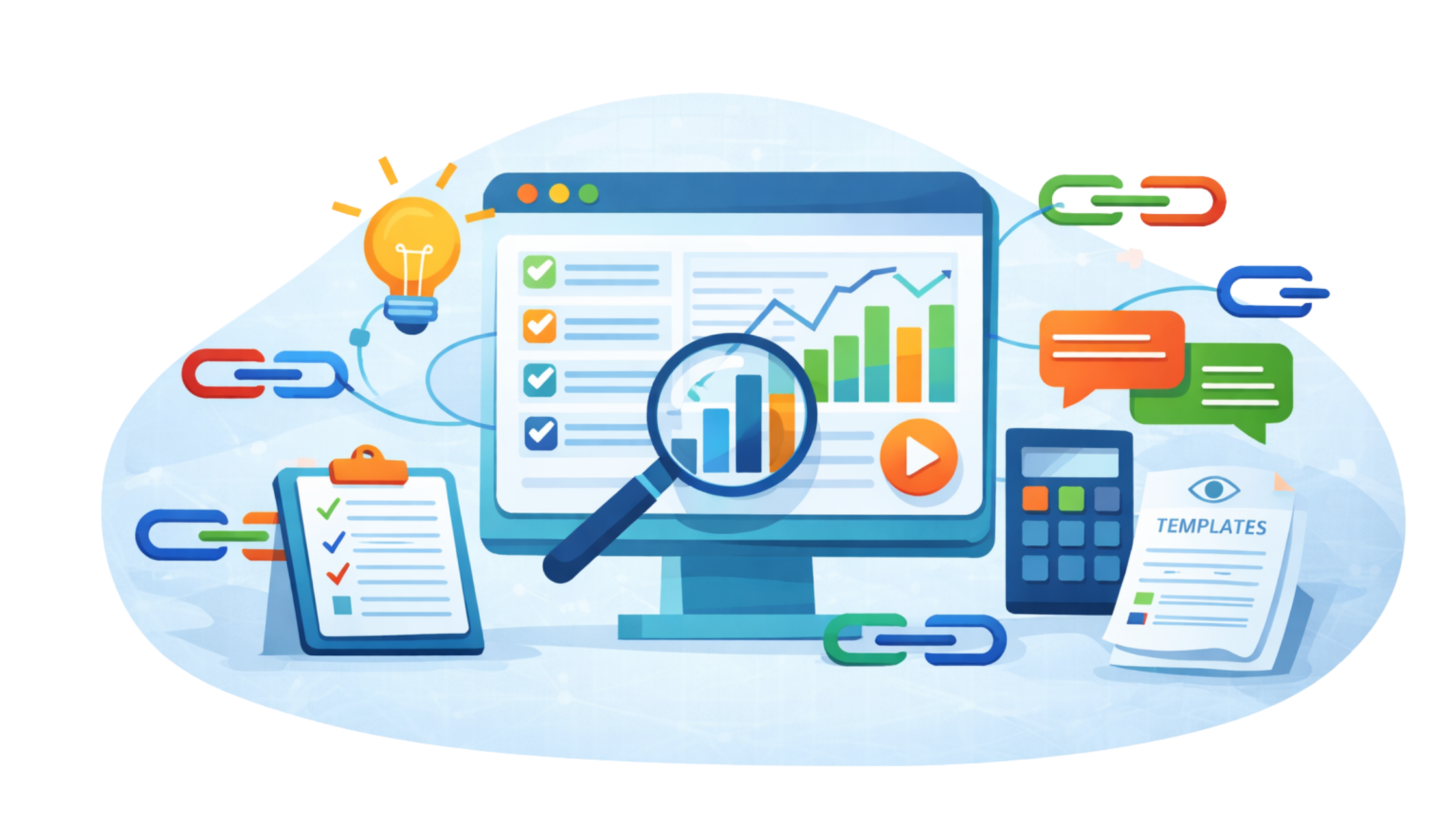
Here's a truth bomb: the easiest links to get are the ones you don't have to ask for. Create something so valuable that other websites WANT to link to it.
What Is a Linkable Asset?
Content that provides unique value, solves a real problem for your target audience, is so useful that other sites reference it naturally, and continues to earn links long after you publish it.
Types That Work:
1. Original Research & Data Studies
Journalists and bloggers need credible sources for their news stories. Run surveys using Google Forms (free) or Typeform. Even 100-200 responses can yield valuable insights that attract links.
2. Comprehensive How-To Guides
I look for topics where existing articles are outdated or incomplete. Then I create the definitive resource that fills the gap. These get linked from resource pages and blog posts regularly.
3. Tools & Calculators
Interactive tools are link magnets. You don't need to code. Use Claude Artifacts, ChatGPT Custom GPTs, or Google Sheets with published embeds. Simple and useful beats complex.
4. Data Visualisations & Infographics
Visual content earns links when it visualises complex data in easy-to-understand ways. Original research presented visually works best.
5. Templates & Frameworks
Email outreach templates, checklists, and audit templates get linked from other sites constantly. People love ready-to-use resources.
My Process:
Find the gap. Look for topics where existing content is outdated or where people have unanswered questions. Research Reddit threads, social media discussions, and blog post comments on relevant sites.
Make it unique. Include original data, share real experiences, create tools, and go deeper than any existing article.
Promote strategically. Email relevant journalists and bloggers. Share in online communities. Reach out to sites that linked to similar content. Post on social media platforms.
The ROI:
One quality linkable asset takes 20-40 hours to create and promote. But it can earn dozens of quality backlinks over the years without additional outreach. That's compound interest for SEO.
Strategy 3: Broken Link Building
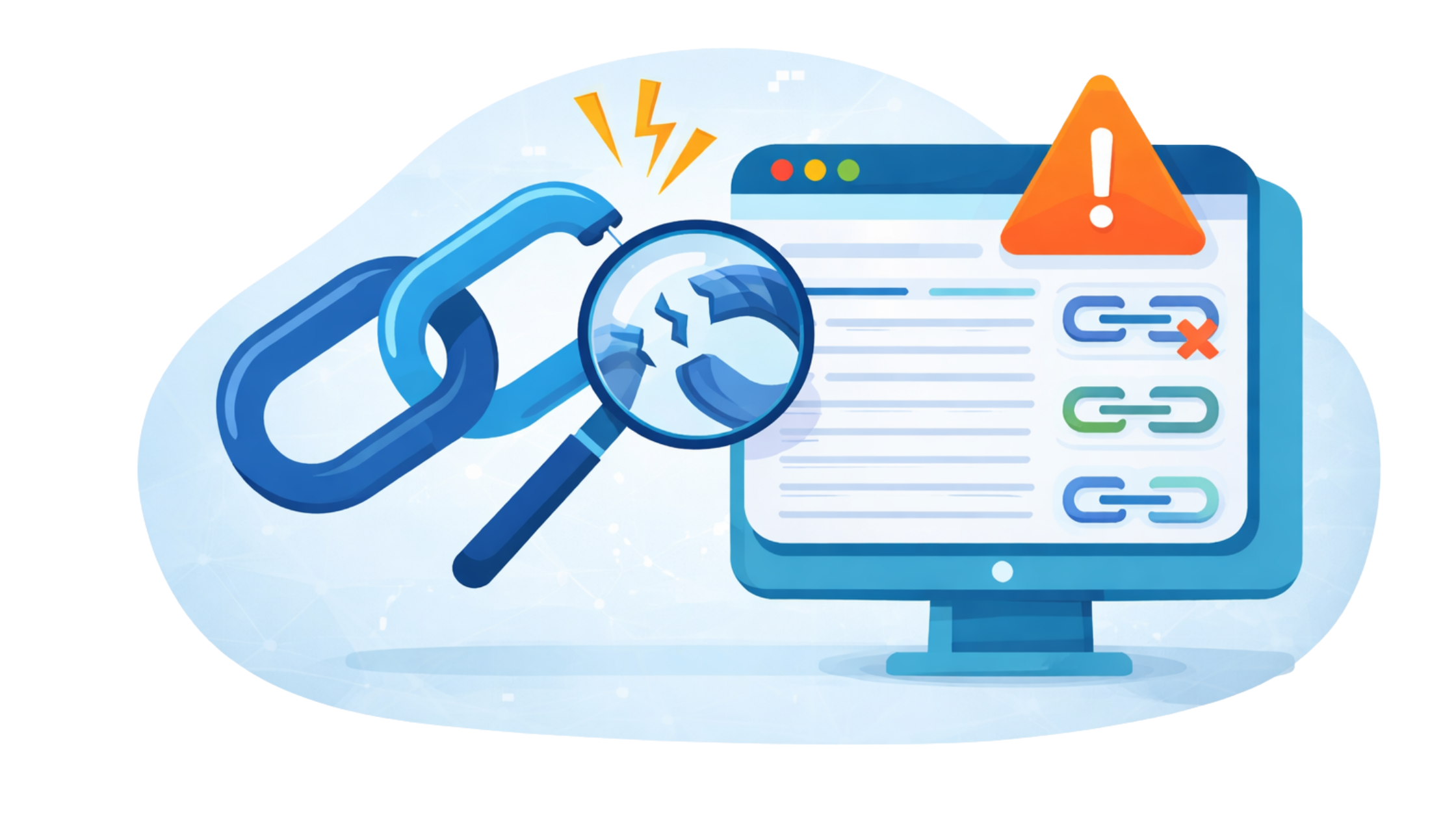
Broken link building is one of my favourite link-building strategies because it's genuinely helpful. You're not just asking for a link. You're solving a problem for site owners. Broken links hurt their SEO efforts, frustrate website visitors, and look unprofessional. When you offer a replacement link to relevant content on your site, you're providing value.
My Broken Link Building Process:
Step 1: Finding Broken Link Opportunities
Use Ahrefs to see all the backlinks pointing to your competitors, then filter for broken links (404 errors). These are opportunities where a site was once linked to similar content. Find resource pages using search operators like "resources" + [your niche], then use Check My Links to scan for dead links. These pages are gold because they're designed to link out.
Step 2: Qualify the Opportunity
Not every broken link is worth pursuing. I look for broken links on relevant websites, pages with actual traffic, sites with decent domain authority (30+), resource pages that link to multiple other sites, and recent articles still getting website visitors.
Step 3: Create the Replacement Content
Look at what the broken page used to offer (use Wayback Machine). Create something better and more comprehensive. Make sure it's a natural fit for the linking page and actually serves the target audience of that site.
Step 4: The Outreach Email
Keep it simple. Point out the broken link, mention what it used to link to, offer your replacement as a genuinely relevant alternative, and keep it helpful (not demanding).
Response rate: 30-40% in my experience.
Step 5: Follow Up Once
If I don't hear back in 5-7 days, I send ONE follow-up. Never more than one. Respect people's time.
Real Example:
I found 25 resource pages in the marketing niche with broken links to old SEO tools. I created a free SEO audit tool and reached out to all 25 site owners. Nine responded positively (36% response rate). Seven actually added my link (28% conversion rate). These were all quality links from relevant sites with a domain authority between 35 and 65. Time invested: 8 hours total. Cost: $0.
Strategy 4: Digital PR & Newsjacking
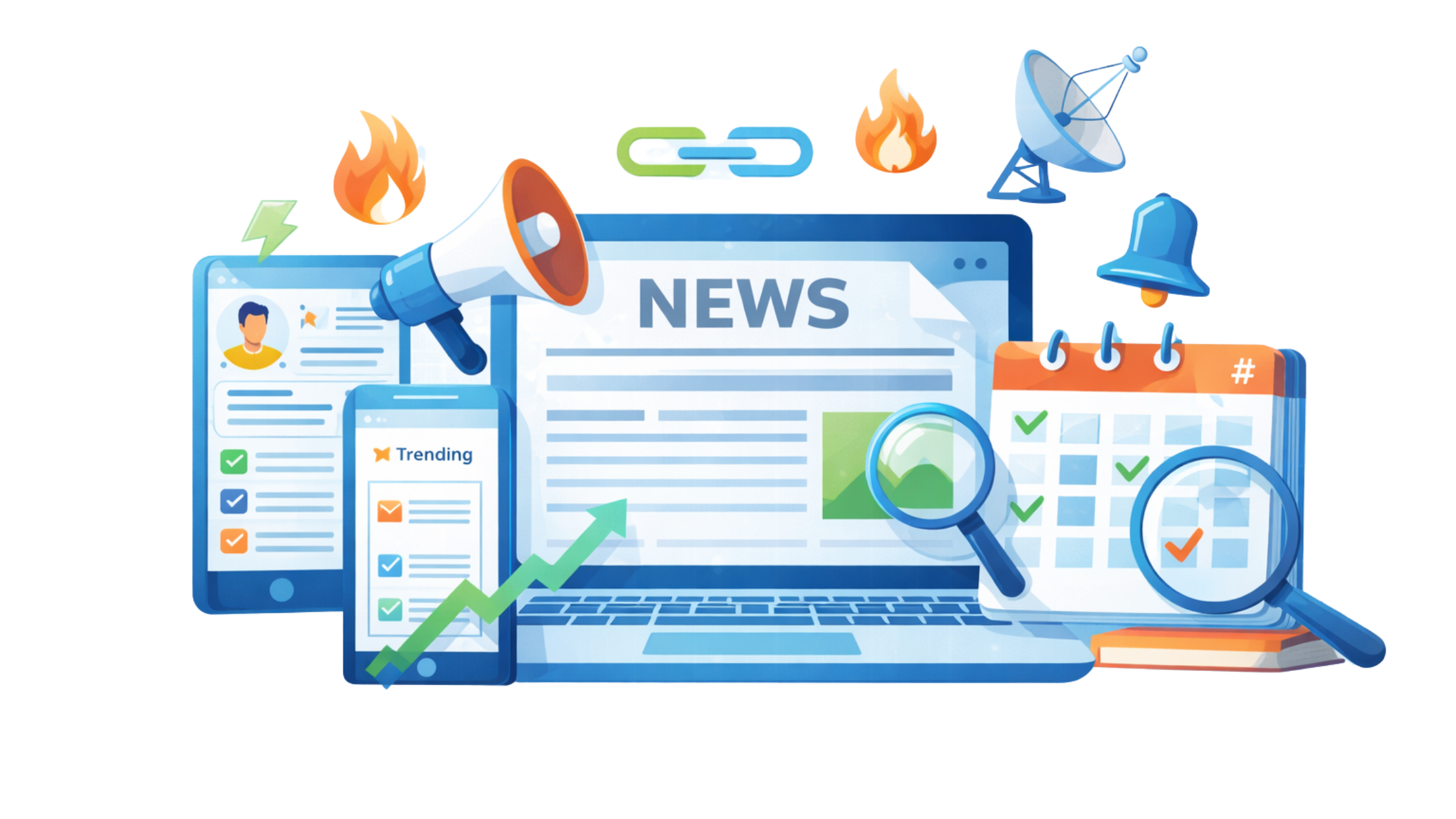
Digital PR is how you get featured in news outlets, industry publications, and authoritative media sites. It's one of the highest-ROI link-building strategies I use. One successful campaign can earn dozens of quality backlinks from news sites that would be nearly impossible to get through guest posting.
What Is Digital PR?
Earning news coverage and media mentions by providing value to journalists writing news stories, creating newsworthy content, responding quickly to media requests, and positioning yourself as an expert source. Unlike traditional PR, digital PR focuses specifically on earning links from online publications.
Why Digital PR Works:
News sites and news outlets have high domain authority. One piece of news coverage can lead to multiple other sites picking up the story. These are editorial links that Google loves. You're building brand mentions and visibility with your target audience. Referral traffic from news sites tends to be high-quality.
My Digital PR Strategies:
1. HARO (Help A Reporter Out)
HARO is a free platform where journalists post media requests looking for expert sources. I check it daily. Sign up for alerts in relevant categories. Respond to 2-3 relevant queries per day. Provide genuine, quotable insights. Include your contact details and website.
My success rate: I respond to about 60 queries per month and get featured in 6-8 articles. That's quality backlinks from news outlets and industry publications.
2. Newsjacking & Reactive PR
When something newsworthy happens in my industry, I create content or commentary FAST. Within 24-48 hours. Journalists writing news stories need expert quotes quickly. Being first means you're the source that gets cited.
Set up Google Alerts for industry keywords. When news breaks, create a short but insightful blog post (500-800 words). Share it on social media immediately. Email relevant journalists: "Saw you're covering [news]. I just published an analysis you might find useful."
Real Example:
When Google announced a major algorithm update, I published an analysis within 18 hours, reached out to 15 journalists I knew covered SEO, and offered specific insights about how it would affect ecommerce sites. Six news outlets cited my article. Three interviewed me for their news stories. I earned 12 quality backlinks from authoritative news sites.
Strategy 5: Turning Unlinked Mentions into Backlinks
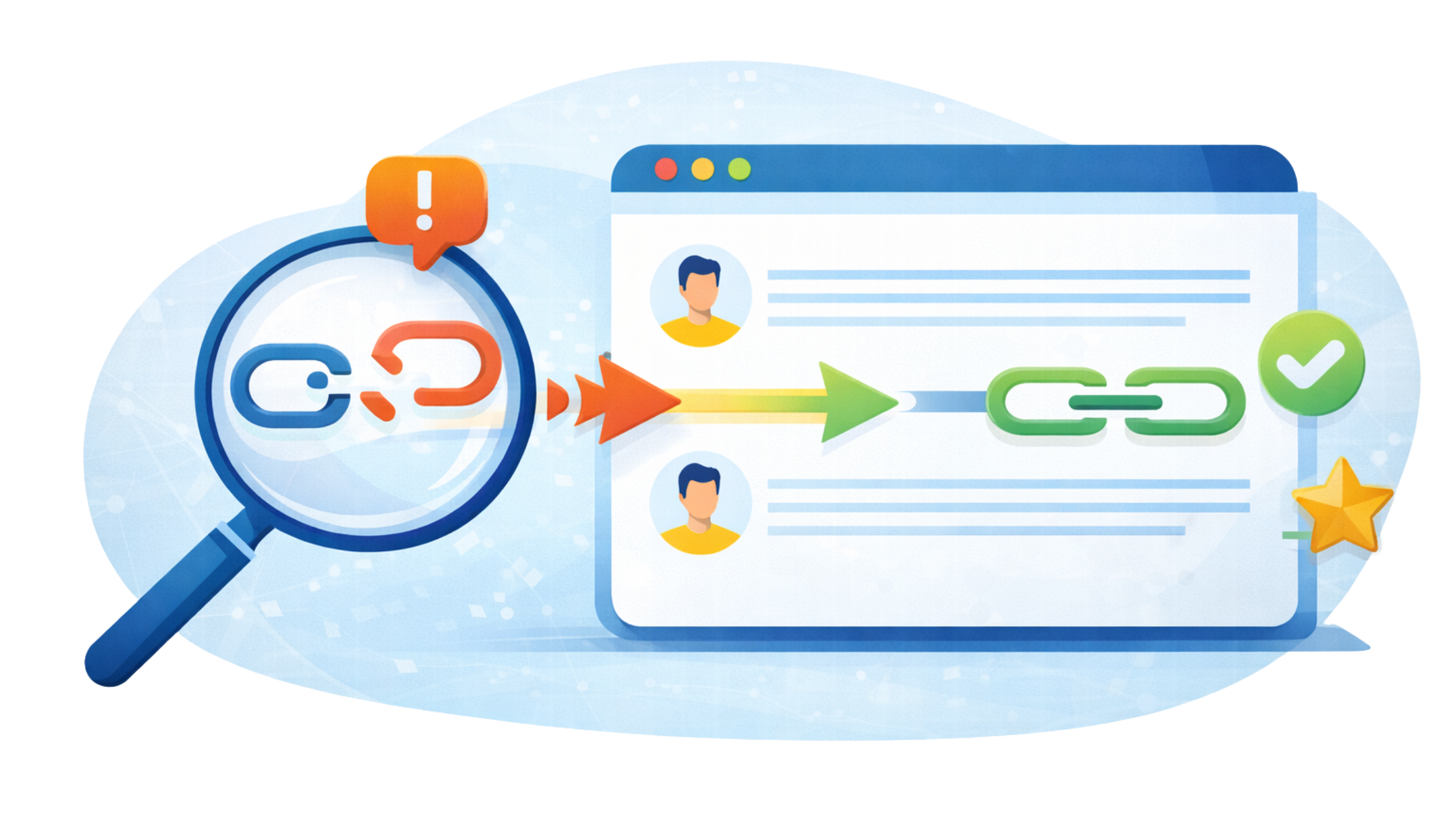
Here's a link-building strategy hiding in plain sight: you probably already have dozens of unlinked brand mentions across the web. These are websites where people mention your company, product, or content, but don't include a link.
Converting these unlinked mentions into actual backlinks is one of the easiest wins in link building. The site owner already knows who you are and found you valuable enough to mention. You're just asking them to make that mention clickable.
Why This Works:
They already referenced you (so they clearly think you're relevant). You're making their content more valuable to readers. It's a small ask (adding a link is easy). No additional content creation required.
My conversion rate: 50-60% of outreach emails result in a link being added.
Finding Unlinked Brand Mentions:
Set up Google Alerts for your brand name. Check daily for new mentions. Use Ahrefs Content Explorer to search for your brand name, then filter for pages that mention you but don't link. Brand monitoring tools like Mention.com, Brand24, or BuzzSumo also work well.
Qualifying the Mentions:
Not every mention is worth pursuing. I focus on mentions on relevant sites in my niche, pages with actual website visitors, sites with decent domain authority, recent articles (older content is less likely to be updated), and positive or neutral mentions.
The Outreach Email:
Keep it simple and friendly. Thank them for the mention. Note that it wasn't linked. Ask if they'd be open to adding a link to a specific URL. Frame it as helpful to their readers. Stay grateful (not demanding).
Real Example:
I found 47 unlinked brand mentions for a client in the SaaS space. After reaching out, 28 site owners responded positively (60%). Twenty-six actually added the link (55% total conversion). Average domain authority of these sites: 42. Time invested: 4 hours. Cost: $0.
That's 26 quality backlinks I didn't have to create content for or spend months pursuing.
Scaling This Strategy:
Set up automated monitoring with Google Alerts or brand monitoring tools. Create an email template you can quickly personalise. Batch outreach (10-15 emails per week). Track responses in a simple spreadsheet. Follow up once if no response. Act fast on new mentions (within 2-3 days).
Strategy 6: Resource Page Link Building
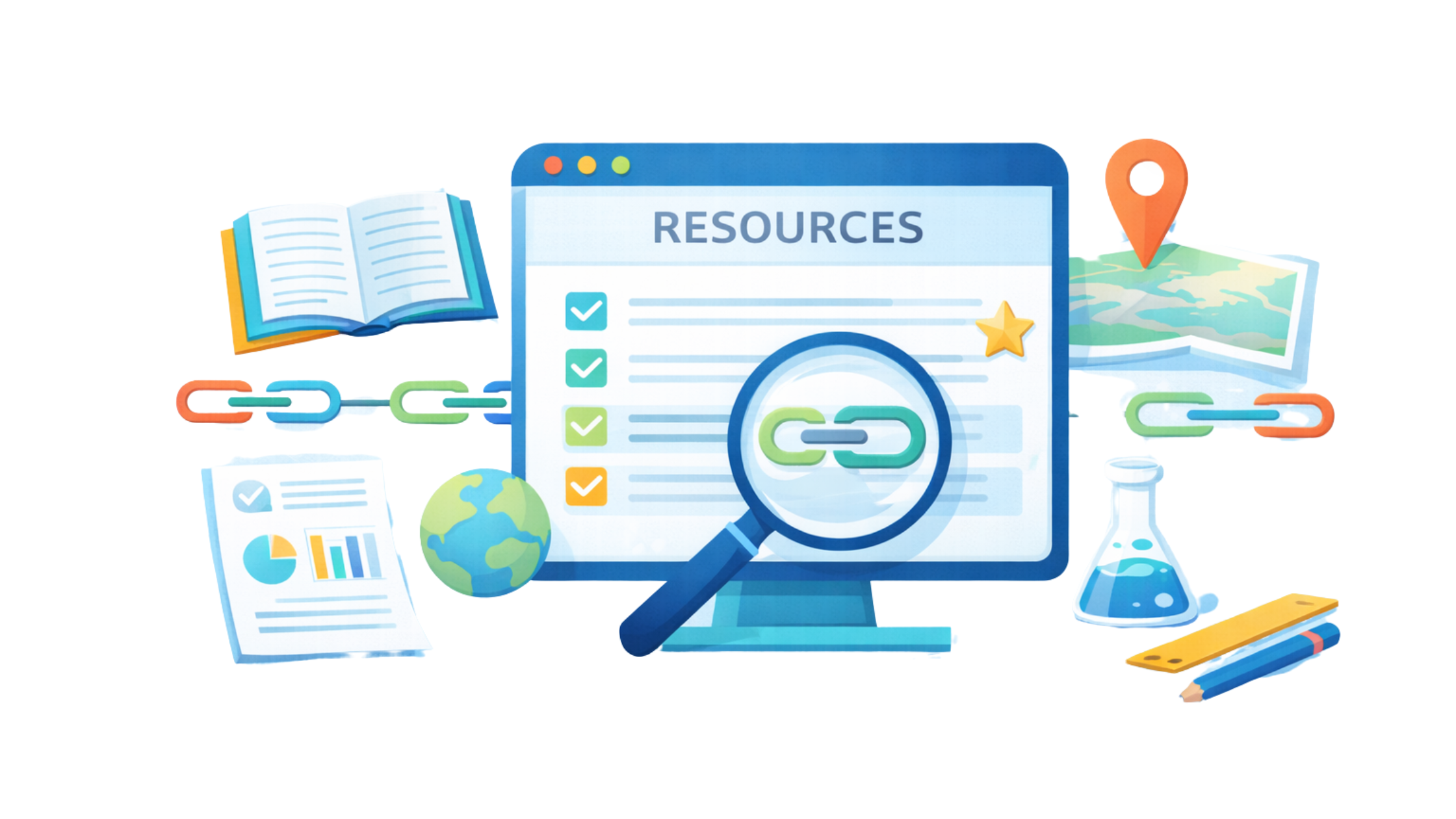
Resource pages are goldmines for link building. These are pages specifically designed to link out to valuable resources for a specific topic. The site owner literally created a page to help their target audience find quality content. You're giving them something to add to that list.
What Are Resource Pages?
Curated lists of helpful links on a specific topic. Examples: "The Ultimate List of Marketing Tools," "Best Resources for Learning SEO," "Top Content Marketing Guides." They exist to provide value to website visitors by collecting quality links to relevant sites in one place.
Why This Strategy Works:
The page's purpose IS to link out. Site owners are actively looking for quality content to add. These pages often have good domain authority. One resource page can send referral traffic for years. Other sites link to these resource pages, passing additional value.
Finding Resource Page Opportunities:
Use search operators like [your niche] + "resources," [your niche] + "useful resources," [your niche] + "helpful resources," or intitle:resources + [your niche].
Look for pages actively maintained (check for recent updates), relevant sites in your niche, lists with 10-50 resources (not 500—those aren't curated), pages that link to sites similar to yours, and good domain authority with actual traffic.
Qualifying Your Content:
Before reaching out, make sure your content is actually resource-worthy. Is it comprehensive and valuable? Is it relevant to the resource page topic? Is it at least as good as the other resources listed? Does it provide unique value? If you're not confident your content deserves to be on the list, improve it first.
The Outreach Email:
Mention a specific resource they listed to show you're familiar with the page. Suggest (don't demand) your content as an addition. Explain why it fits and what key points it covers. Respect their editorial judgment.
Response rate: 25-35% in my experience.
Real Example:
I found 40 resource pages related to link building and SEO. I had a comprehensive guide on broken link building, which I thought would fit. Reached out to 40 site owners. Fourteen responded positively (35%). Twelve added my link (30% conversion). These were all relevant sites with a domain authority of 30-60. Time invested: 5 hours. Cost: $0.
Scaling This Strategy:
Build a list of 100+ resource pages in your niche. Create 3-5 truly valuable resources that deserve to be listed. Batch your outreach (10-15 emails per week). Track responses and follow up once.
Strategy 7: Link Insertions (Authority Hijacking)
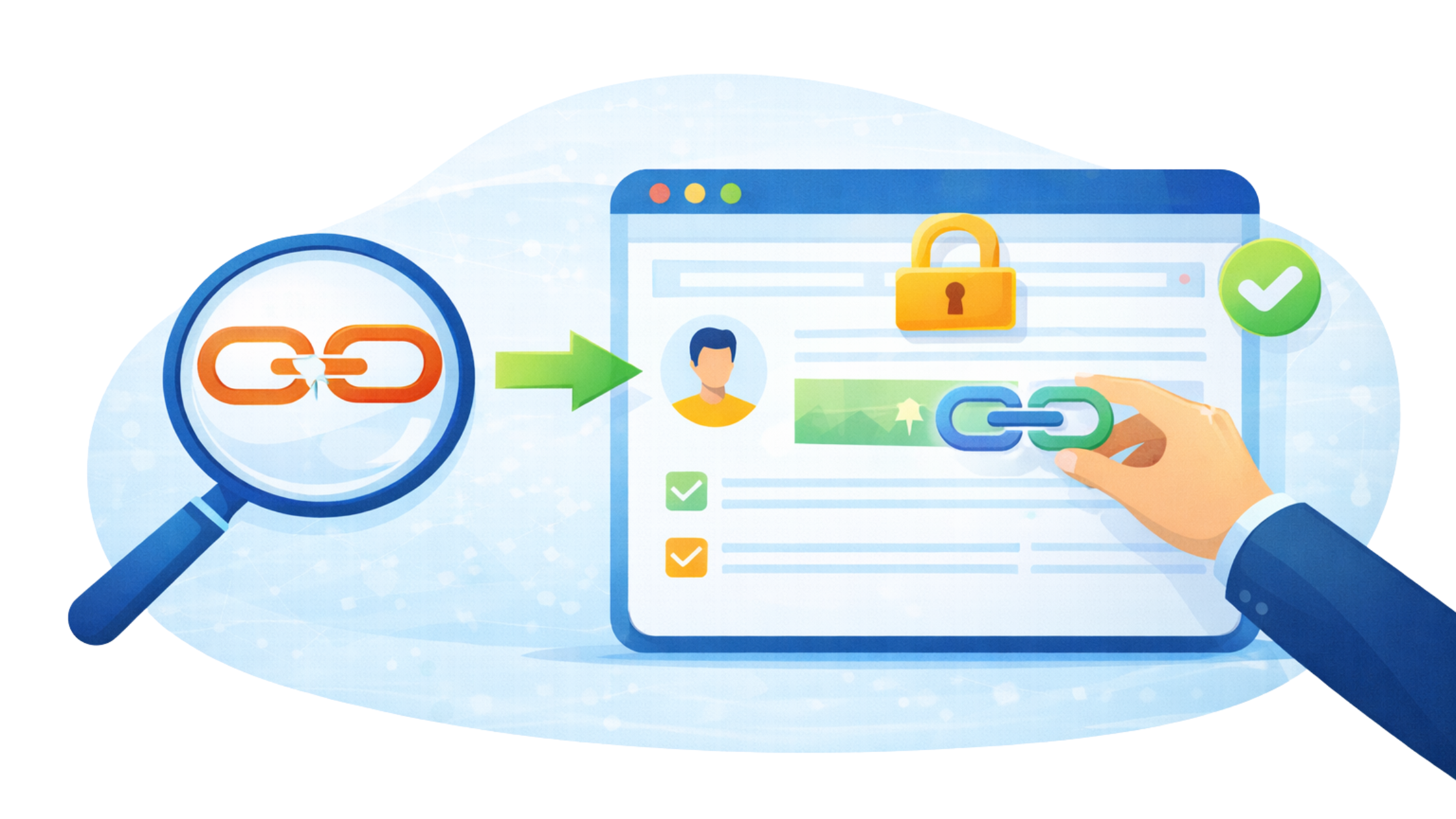
Link insertion is one of my favourite link-building strategies for getting quality backlinks on high-authority sites quickly. Instead of creating new content, you're getting links added to existing articles that already rank well and have traffic.
What Are Link Insertions?
Getting a link added to an existing article on another website. The content is already published and (ideally) already ranking in search results, so you're not waiting months for the page to gain authority.
Why This Works:
The page already has domain authority and rankings. The article is already driving website visitors. You get referral traffic immediately. The link has context within relevant content. Faster results than waiting for new blog posts to rank.
Finding Link Insertion Opportunities:
Look for existing articles on relevant sites that need updating. Search for "[topic] + 2022" or "[topic] + 2023." Find posts with outdated statistics or dead links. Find "best of" or "top 10" articles in your niche. If your product or service genuinely belongs on the list, suggest it. Find comprehensive how-to guides in your niche and identify sections where your content would add value.
Qualifying Opportunities:
Before reaching out, verify the page has organic traffic (use Ahrefs), content is being actively maintained (check last update date), the site owner is responsive (check if they've made other recent updates), your content genuinely fits and adds value, and it's a relevant site with decent domain authority.
The Outreach Approach:
This requires more finesse than other link-building strategies. You're asking site owners to modify published content, so you need to provide clear value. Mention what's outdated or new developments that have happened since their last update. Offer your content as an additional resource to keep the article current and comprehensive. Frame it as helping them and their readers.
Response rate: 20-30% (lower than other strategies but higher quality links).
Real Example:
I found a comprehensive guide on "Content Marketing Strategies" on a marketing blog (domain authority 58). The article was last updated in 2022 and was missing any mention of AI tools for creating content. I reached out, suggesting they add a section on AI in content marketing. They updated the article, added a whole new section, and included my link with context. The page was already ranking for multiple keywords and had about 1,000 monthly visitors. One link insertion equals ongoing traffic and authority.
Strategy 8: Image Link Building
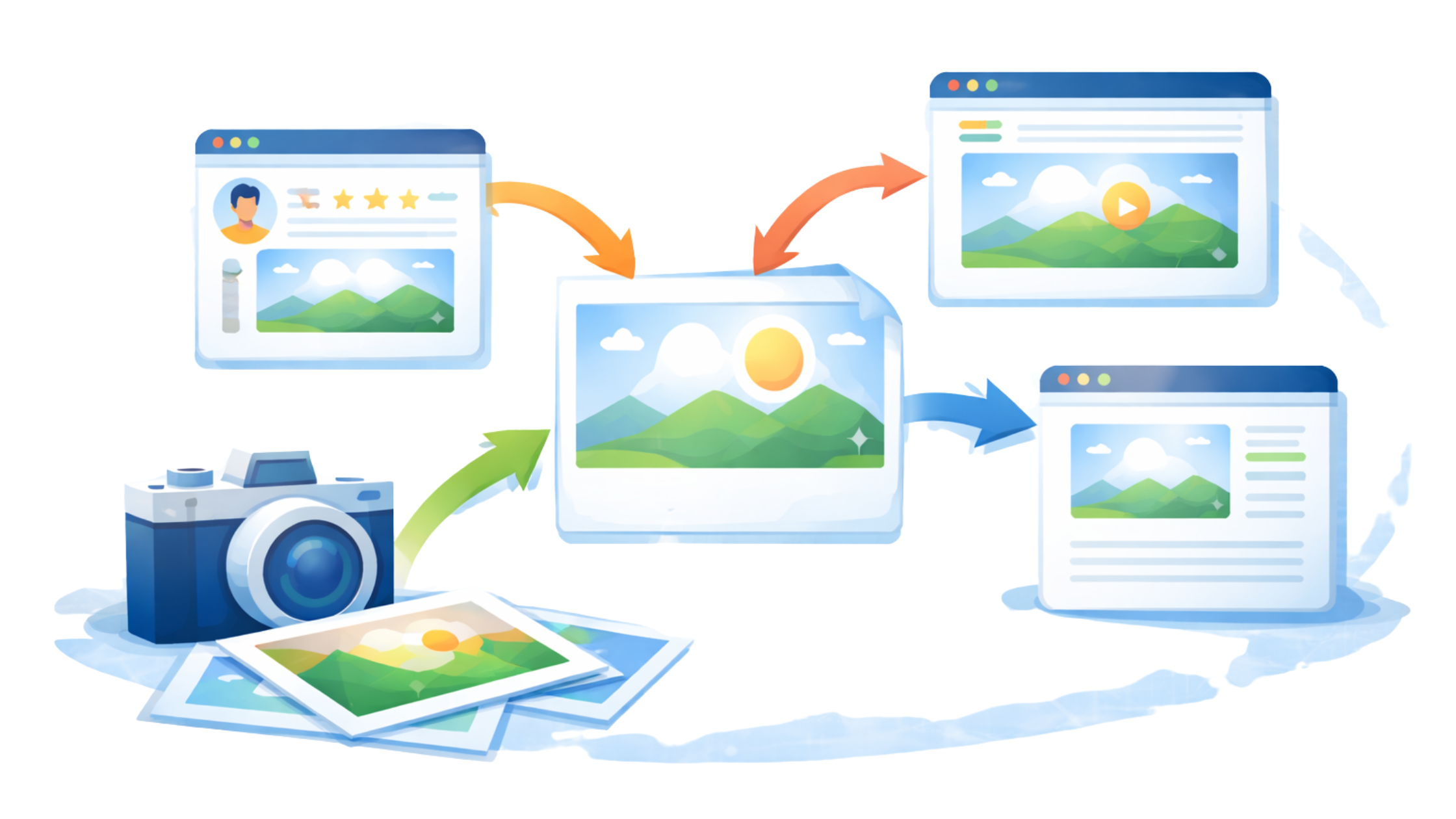
Image link building is one of the most passive link-building strategies I use. Create high-quality images once, publish them, and watch the backlinks roll in for years. This is a true "set it and forget it" approach that continues to earn links long after you've published.
How Image Link Building Works:
Create unique, valuable images (infographics, charts, illustrations). Publish them on your own site with clear attribution requirements. Other sites use your images in their blog posts. You reach out asking for proper attribution with a link. Most site owners comply because they're using your content.
Why This Works:
People constantly need visual content for their articles. High-quality images are hard to create. Most site owners understand copyright and attribution. You're providing value (they get to use your image). It's a fair exchange: they use your image, you get a link.
Types of Images That Earn Links:
Data visualisations like charts and graphs presenting research.
Illustrations and diagrams showing process flows or how-to diagrams.
Custom photography for product images (especially for ecommerce sites)
Industry-specific photos
Behind-the-scenes shots.
My Image Link Building Process:
Step 1: Create Quality Images
Focus on images that fill a gap (topics that lack good visuals), are genuinely useful to your target audience, have broad appeal within your niche, and are better than existing options. Tools: Canva for charts and infographics, Adobe Illustrator for more complex designs.
Step 2: Publish with Attribution
Include the image in a relevant blog post or resource page. Add clear attribution language: "Please credit [Your Site Name] with a link when using this image." Include an embed code that makes it easy for others to use properly.
Step 3: Monitor Usage
Track image usage with Google Images reverse search, TinEye alerts, or Ahrefs image search.
Step 4: Outreach for Attribution
When you find someone using your image without a link, reach out. Thank them for finding it useful. Ask if they'd mind adding a link back to the original source. Keep it simple and friendly.
Response rate: 60-70% (people understand image attribution).
Real Example:
I created an infographic on "The Content Marketing Funnel." Over 18 months, 43 sites used the image in their blog posts. I reached out to all 43. Twenty-nine added attribution links (67% success rate). Average domain authority: 38. Time invested: 10 hours to create, plus 2 hours for outreach. These links continue to exist and probably always will.
Strategy 9: Internal Linking (Often Overlooked)
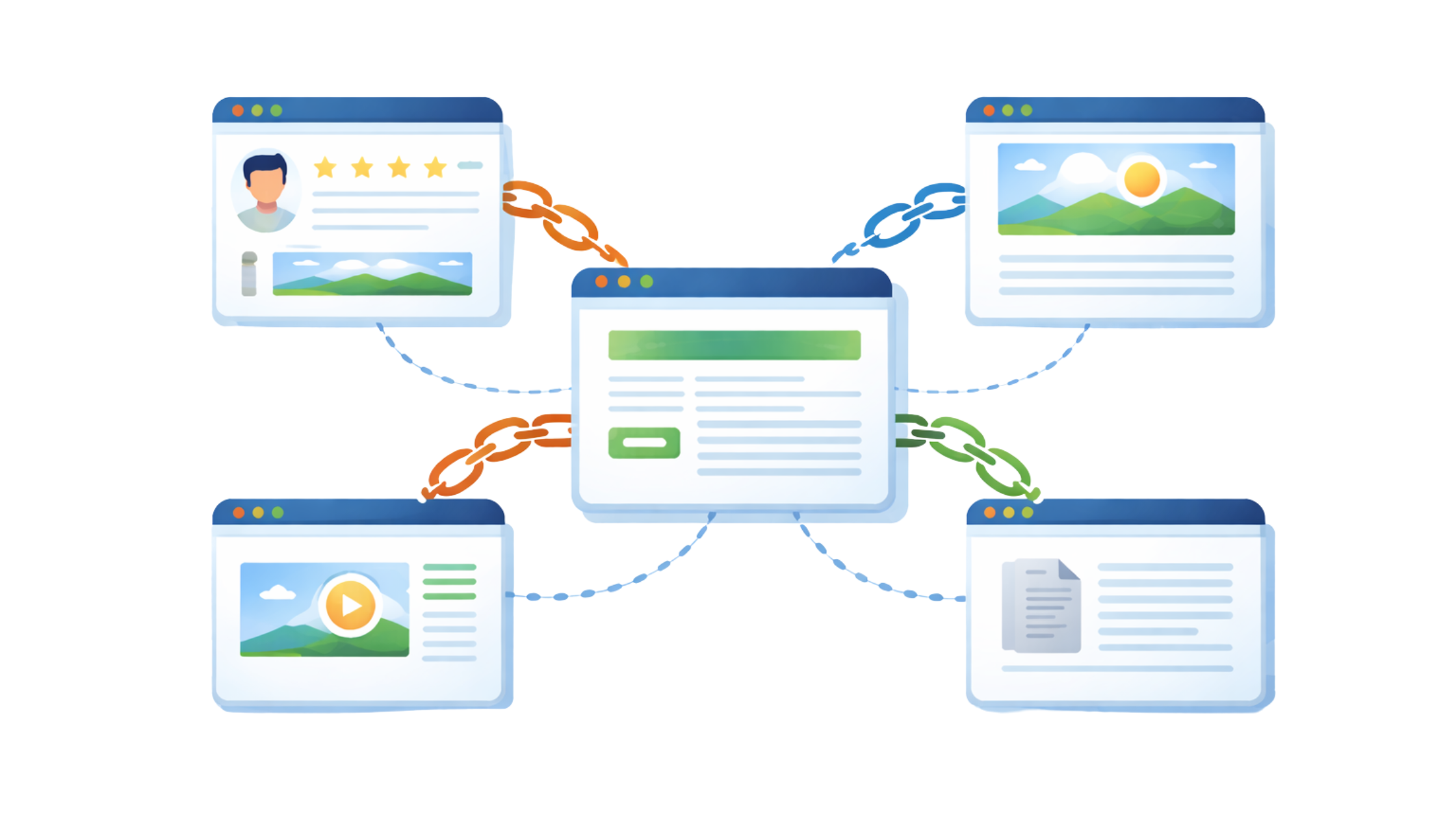
Okay, this isn't technically building links from external websites, but hear me out: internal linking is one of the most underutilised SEO strategies I see. Most sites have a goldmine of link equity they're not using effectively.
Why Internal Linking Matters:
Helps search engines discover and index your pages. Distributes page authority across your own site. Improves user experience and navigation. Increases time on site (good for SEO). Helps search engines understand your site structure. Can boost rankings for target pages without external links.
My Internal Linking Strategy:
1. Hub and Spoke Model
Create comprehensive "hub" pages on main topics, then link to more specific "spoke" pages. Main hub: "Ultimate Guide to Link Building Strategies." Spokes: "Guest Posting Guide," "Broken Link Building Guide," etc. All spokes link back to the hub. Hub links to all spokes with relevant anchor text.
2. Contextual Internal Links
Within blog posts and how-to guides, link to related articles that provide additional context, more comprehensive guides on subtopics, relevant tools or resources on my own site, and product pages (for ecommerce sites).
Best Practices:
Use descriptive anchor text (not "click here"). Link to relevant pages, not randomly. Don't overdo it (2-5 internal links per 1,000 words). Link from high-authority pages to pages you want to boost. Update old content to link to new, relevant content.
Real Impact:
I audited a client's site and found 200+ blog posts with almost no internal linking, important pages with zero internal links, and orphan pages (not linked from anywhere).
After implementing a strategic internal linking structure, there was a 40% increase in indexed pages, a 25% improvement in average page rankings, a 30% increase in pages per session, and significant traffic improvements to previously neglected pages.
How to Implement:
Audit your current internal links (use Screaming Frog). Identify important pages that need more internal links. Find relevant linking opportunities in existing content. Add contextual links that make sense for readers. Track results in Google Search Console.
Quick Win:
Go through your 10 most popular blog posts and add 2-3 relevant internal links to important pages you want to rank better. This takes maybe 30 minutes and can have an immediate impact.
Tools & Resources for Link Building
Here are the tools I actually use (not a comprehensive list of every tool ever made, just what works).
None of these are affiliate links, all just tools I have tried, tested, and found beneficial.
For Finding Link Opportunities:
Ahrefs ($99-999/month): My #1 tool for link building. Find broken links, guest post opportunities, and competitor backlinks. Track your backlink profile. Content Explorer for finding linkable asset ideas.
SEMrush ($119-449/month): Alternative to Ahrefs. Good for keyword research and link analysis. Backlink audit features.
Free Alternatives: Google Search Console (track referring domains), Ubersuggest (basic backlink analysis), MozBar (check domain authority while browsing).
For Outreach:
Hunter.io ($49-399/month): Find contact details for site owners. Email verification. Track outreach campaigns.
Pitchbox ($195-995/month): Email outreach automation (use carefully). Template management. Response tracking.
Free Alternative: Gmail plus Google Sheets (manual but free).
For Broken Link Building:
Check My Links (Chrome extension, free): Quickly scan pages for broken links.
Screaming Frog (Free up to 500 URLs, £149/year unlimited): Comprehensive site audits. Find broken links across entire sites.
For Monitoring:
Google Alerts (Free): Track brand mentions. Monitor industry news. Find news stories to comment on.
Mention.com ($29-99/month): More comprehensive brand monitoring. Social media tracking.
For Creating Content:
Canva ($13/month): Creating images and infographics. Templates for visual content.
Grammarly ($12/month): Content editing. Maintain consistent quality.
My Essential Stack (What I Actually Pay For):
Ahrefs: $99/month. Hunter.io: $49/month. Canva: $13/month. Total: $161/month.
Everything else I either use free alternatives or do manually.
Budget-Friendly Approach:
If you're just starting out, begin with free tools. Google Search Console, Google Alerts, Check My Links, and Gmail will get you pretty far. Add Ahrefs once you're ready to scale. The tools don't build links. Your effort and strategy do. I built my first 100 quality backlinks using nothing but free tools and manual outreach.
Maintaining Your Backlink Profile
Monitoring Your Links
Building links is half the battle. Maintaining them is the other half. I've seen sites lose 30% of their backlinks in a year simply because they weren't monitoring and maintaining their backlink profile.
What to Monitor:
1. New Backlinks
Track new referring domains weekly. Verify quality (are they relevant sites?). Disavow any spammy paid links.
2. Lost Links
Pages get deleted. Links get removed. Websites go offline. Natural attrition: 10-20% per year.
3. Anchor Text Distribution
Make sure it looks natural. Too many exact-match keywords equals a red flag. Aim for: 40% branded, 30% naked URLs, 20% generic, 10% keyword-rich.
4. Domain Authority Changes
Track your domain authority monthly. Monitor competitor backlink profiles. Identify opportunities they're using.
My Monitoring Process:
Weekly: Check Google Search Console for new referring domains. Review Ahrefs for new backlinks. Scan for any suspicious or spammy links.
Monthly: Full backlink profile audit. Identify lost links worth reclaiming. Analyse anchor text distribution. Track domain authority changes.
Quarterly: Comprehensive link reclamation campaign. Disavow file update (if needed). Competitor backlink analysis. Strategy adjustment based on results.
Tools:
Google Search Console (free, basic monitoring). Ahrefs (detailed backlink tracking). SEMrush (alternative option).
Link Reclamation:
When you lose quality backlinks, reach out. Mention that you noticed their article used to link to your resource, but the link seems to have been removed. Ask if there was an issue. Offer to provide an updated URL if the original page has moved. Keep it friendly and helpful.
Recovery rate: 40-50%.
Why This Matters:
Lost links mean lost traffic and lost authority. But more importantly, monitoring helps you understand what's working. If you notice certain types of sites tend to remove links, adjust your strategy. If other sites keep your links for years, do more of that.
I spend about 30 minutes per week on monitoring. That's 2 hours per month to protect potentially thousands of pounds worth of link-building work. Worth it.
Avoiding Link Building Penalties
Let's talk about what NOT to do. Google is smart, and link-building strategies that try to game the system will eventually get caught.
What Google Penalises:
1. Paid Links (Without Disclosure)
Buying links from link farms. Participating in link schemes. Exchanging money for dofollow links without the "sponsored" tag.
2. Low-Quality Link Spam
Comment spam. Forum profile spam. Low-quality directory submissions. Automated link building.
3. Exact-Match Anchor Text Overoptimization
Every link uses your target keyword. Unnatural anchor text distribution. Clear pattern of manipulation.
4. Link Networks
Private blog networks (PBNs). Reciprocal link schemes at scale. Three-way exchanges that look coordinated.
How to Stay Safe:
Focus on Quality: Build links from relevant websites. Prioritise editorial links. Create content worth linking to naturally. Build relationships, not just links.
Natural Link Profile: Varied anchor text. A mix of dofollow links and nofollow links. Links from diverse referring domains. Steady growth (not sudden spikes).
Ethical Practices: Disclose paid partnerships. Use rel="sponsored" for paid content. Earn links through value, not manipulation. Follow Google's Webmaster Guidelines.
Red Flags to Avoid:
Offers of "1,000 backlinks for $100." Guaranteed rankings through link building. PBN services. Bulk link packages. Automated link-building tools.
What I Do Instead:
I focus on building a healthy backlink profile through guest posting on relevant sites, creating linkable assets, building genuine relationships, providing value first, manual personalised outreach, and white-hat link-building strategies only.
If You Get Penalised:
Identify bad backlinks (use Google Search Console). Try to remove them manually. Submit a disavow file to Google. Submit a reconsideration request. Be patient. Recovery takes months.
Better Strategy:
Don't get penalised in the first place. Build quality backlinks the right way.
I've seen too many sites tank because they took shortcuts. A client once came to me after buying 500 "high-quality" backlinks for $200. Their traffic dropped 70% overnight. It took eight months to recover. Not worth it.
Stick to the strategies in this guide. They take longer, but they last.
Conclusion: Your Link Building Action Plan
Link building in 2026 is not about chasing shortcuts or gaming algorithms. It is about earning trust, relevance, and visibility in places that genuinely matter to your audience. The strategies in this guide work because they are built on value first. Helpful content, real relationships, and consistent execution over time.
If you take one thing away, let it be this: you do not need hundreds of links. You need the right links. A handful of relevant, editorial backlinks can outperform months of low-quality activity and compound into long-term organic growth.
My recommendation is simple. Pick two or three strategies from this guide that fit your resources and skills. Commit to them for 90 days. Track results. Refine what works. Ignore everything else.
If you are a startup brand trying to gain your first real organic traction, or a small team that understands SEO and AEO matter but lacks in-house expertise to move quickly, this is exactly where I can help most. I work hands-on to build sustainable organic foundations while upskilling your internal team so you are stronger long after our engagement ends.
I am taking on a limited number of clients. If you want to discuss how I can support your marketing and organic growth goals, please get in touch via the contact form below.
Frequently Asked Questions About Link Building Strategies
What are valuable links and why do they matter for SEO?
Valuable links are backlinks from highly relevant websites that your audience actually trusts and uses. They signal credibility to search engines, drive referral traffic, and help improve rankings. A small number of valuable links from websites linking within your niche will usually outperform dozens of low-quality ones.
How can I generate links to my site without risking penalties?
The safest way to generate links is by creating link-worthy content that people genuinely want to reference. This includes guides, tools, templates, and original insights, often called link bait. Avoid link farms or buying links, as search engines can penalise sites that use manipulative tactics.
Are personalised outreach emails really more effective?
Yes. Personalised emails consistently outperform generic outreach. When you reference a specific article, explain why your resource adds value, and tailor the message to the site owner, response rates are significantly higher than mass, templated emails.
How do I know which websites are linking to my site?
Tracking your backlinks using tools like Google Search Console or SEO platforms helps you see which websites linking to your pages are driving value. Monitoring links also helps you understand why people link to your content and which strategies are working long-term.
What is link bait, and does it still work?
Link bait is content designed to naturally attract backlinks without direct outreach. In 2026, it still works extremely well when it offers valuable resources, unique data, or insights that are hard to find elsewhere. The key is usefulness, not gimmicks.
Why is anchor text variety important in link building?
Maintaining a varied anchor text profile helps avoid spam penalties. A natural mix of branded terms, URLs, generic phrases, and occasional keywords looks far more trustworthy than repeating the same keyword-heavy anchors across every link.
Can AI tools improve link building and local search visibility?
Yes. AI tools can analyse competitor backlink profiles, identify content gaps, and uncover opportunities for local search and niche relevance. Used correctly, they help prioritise outreach and content creation rather than replacing human judgement or relationships.
